KOREA.NET: From Landfill to Landmark: Haneul Park's Environmental Transformation
Published on Korea.net’s Site for Honorary Reporters on June 5, 2026.
Written in conjunction with World Environment Day 2026 on June 5

KOREA.NET: From Landfill to Landmark: Haneul Park's Environmental Transformation
Beyond its seasonal beauty, Haneul Park represents one of Seoul's most notable environmental restoration projects. Built on land that once served as the city's primary landfill, the park reflects Korea's broader efforts to transform degraded urban spaces into ecological and recreational assets while promoting public awareness of environmental sustainability.
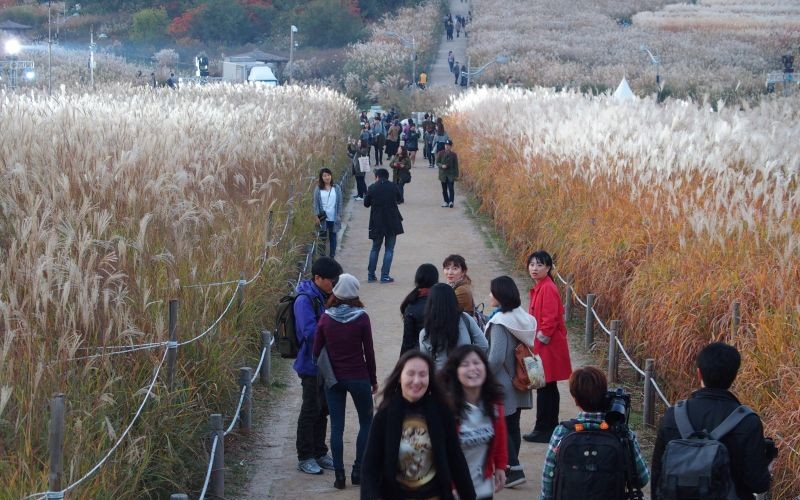
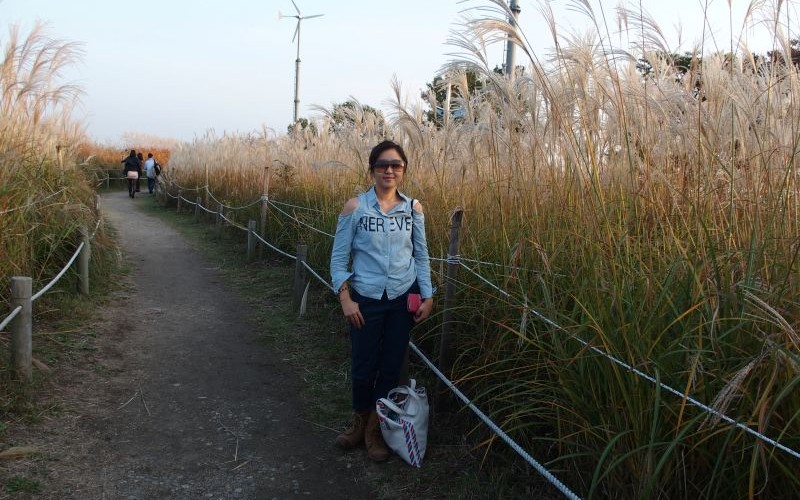
When I visited Haneul Park (하늘공원) during the Seoul Silver Grass Festival on 23 October 2014, I was intrigued by the popularity of a park famous for its vast silver grass fields. Having attended numerous flower festivals before, I wondered what made a field of grass such a major attraction.
As I walked through the swaying silver grass and enjoyed panoramic views of Seoul, I joined countless residents and visitors who had come to appreciate the park's natural beauty. At the time, however, I had no idea that this scenic destination once stood atop one of Seoul's largest landfill sites.
Remarkable Transformation
As someone with a long-standing interest in environmental issues, I was fascinated to learn about the park's remarkable transformation.
According to Korean media reports, the area known as Nanjido served as Seoul's primary landfill from 1978 to 1993. More than 92 million tons of waste were deposited there, creating two mountains of garbage that rose nearly 100 meters high. Methane gas and leachate from decomposing waste caused significant environmental concerns.
The landfill was closed in 1993, after which the Seoul Metropolitan Government began restoration and ecological rehabilitation efforts. The site was eventually transformed into World Cup Park, a large environmental restoration project completed in conjunction with the 2002 FIFA World Cup co-hosted by Korea and Japan.
Haneul Park Today
The Korea Tourism Organization notes that Haneul Park was established as part of efforts to restore the area's ecological environment. Today, the park incorporates environmentally friendly facilities powered by natural energy.
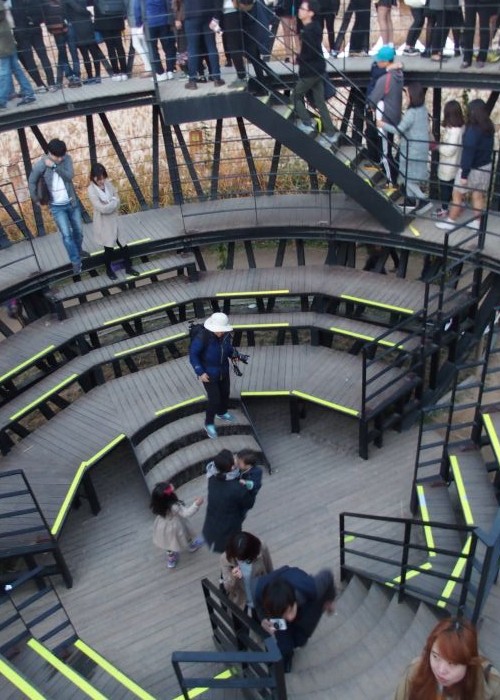
The park features silver grass fields, mixed grasslands, a rock garden, sunflower fields, an observatory area and wind power generators.
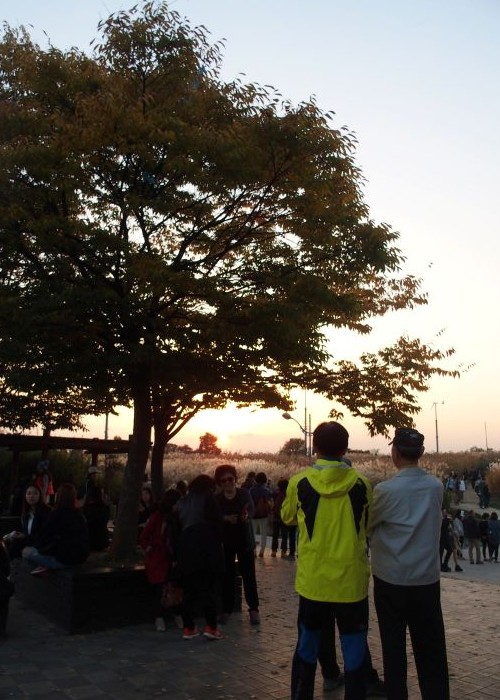
Located at the highest point of World Cup Park, Haneul Park offers sweeping views of Seoul, including the Hangang River and Bukhansan Mountain. The park is particularly famous in autumn, when vast fields of silver grass create one of Seoul's most recognizable seasonal landscapes.
The Seoul Metropolitan Government describes Haneul Park as an eco-friendly park that demonstrates how a former landfill site can be successfully restored.
Beyond its well-known autumn scenery, the park also offers seasonal attractions throughout the year, including flower fields and walking trails that attract families, couples and outdoor enthusiasts.
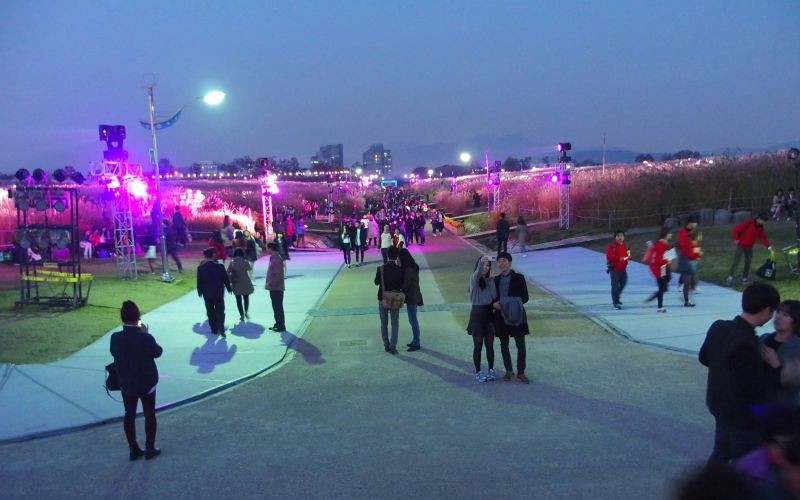
Looking across the landscape today, it is difficult to imagine that the area was once covered by mountains of waste. As a journalist who previously covered environmental issues and accompanied local authorities on site visits to illegal landfill sites, I found Haneul Park's story particularly meaningful.
What impressed me most was not only the beauty of the park itself, but also the story behind it.
Haneul Park stands as an example of how long-term environmental restoration can give new life to degraded land and transform it into a space enjoyed by residents and visitors alike.
As the world marks World Environment Day 2026 on June 5 under the theme "Inspired by Nature. For Climate. For Our Future," Haneul Park serves as a reminder that environmental recovery is possible when supported by sustained planning and commitment.
Haneul Park is located at 95 Haneulgongwon-ro, Mapo-gu, Seoul.


Comments
Post a Comment