Korea.net: K-Beauty company uses AI to identify 288 skin types
This article is part of the International Beauty Expo 2026 series
 |
| K-Beauty company uses AI to identify 288 skin types |
Published on Korea.net’s Site for Honorary Reporters on September 2, 2026
By Honorary Reporter Ing Yeen Oh from MalaysiaPhoto by = Ing Yeen Oh
While the common skin types are five—normal, dry, oily, combination, and sensitive—the K-Beauty company SKINLab Korea has identified 288 different skin types with its AI-Powered Skin Analysis Technology.
SKINLab Korea was one of 27 Korean beauty brands and manufacturers that showcased their products and technologies at the International Beauty Expo (IBE), a B2B trade show held at the Kuala Lumpur Convention Centre in Malaysia from June 13 to 16.
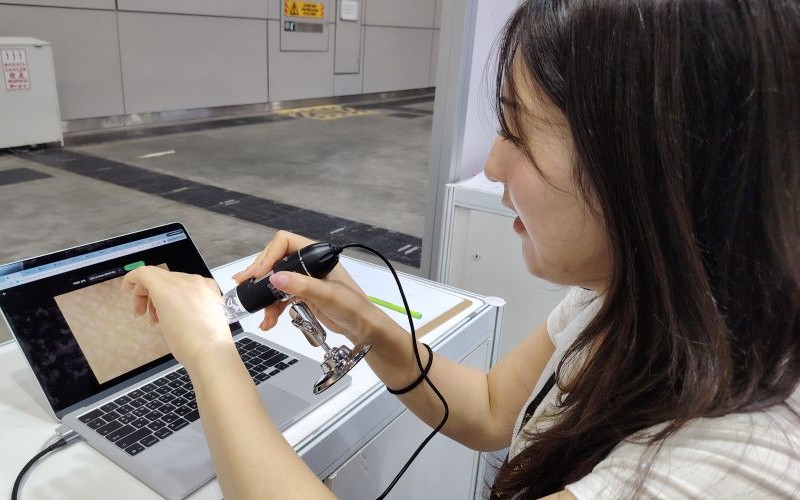
According to SKINLab Korea brand manager Lee Areum, SKINLab Korea combines cosmetic R&D and manufacturing expertise with AI-powered skin analysis technology to develop personalized skincare solutions.
The company’s next-generation personalized skincare project, BASUP, combines SKINLab Korea’s cosmetic research expertise with AI technology to analyze individual skin data and provide tailored skincare recommendations.
“AI-Powered Skin Diagnosis System: SKINLab Korea’s Skin Analysis Technology is an advanced AI-powered skin measurement and analysis system, developed with the expertise of programmers from Samsung Electronics,” she said.
The personalized approach was also demonstrated during a skin analysis at the exhibition. Using a skin microscope camera, Lee demonstrated how the system scans three key areas—the forehead T-zone, left cheek U-zone and right cheek U-zone—using both LED and UV light, completing the analysis in six scans.
Skin images are securely analyzed by SKINLab Korea’s proprietary AI algorithm to evaluate key indicators such as oil-moisture balance, pores, pigmentation, elasticity, dead skin cells and blemishes. The results are visualized in a personalized skin report.
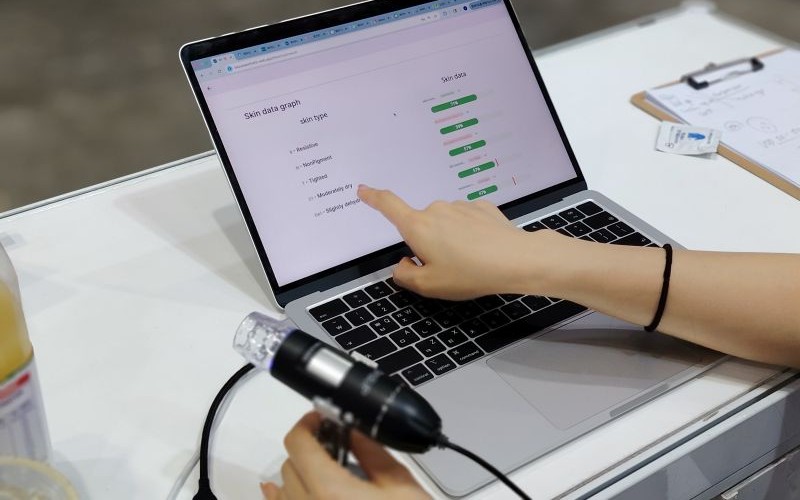
The writer was surprised to learn that an ingredient present in several Korean beauty products she had used in recent years was not suitable for her skin.
The experience offered a practical example of why the company advocates a more individualized approach to skincare. It also showed that skincare ingredients that are popular or widely used may not necessarily be suited to every individual’s skin condition.
Crafting a serum with AI
According to the company, BASUP AI was developed using more than 100,000 data points. The analysis identified five common skin concerns, including fine lines and uneven skin tone, and matched them with corresponding ingredient recommendations.
This research led to the development of the SKINEACH No. 43 line.
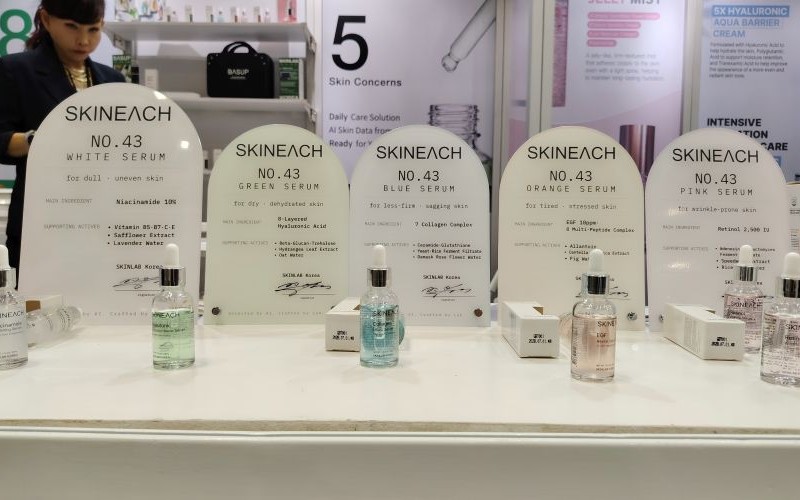
Chemical engineer Yongseok Cho, who has studied cosmetics since 1982, founded SKINLab Korea and launched SKINEACH with his R&D team. The No. 43 line was completed during Cho’s 43rd year of cosmetic research, hence the name.
From analyzing individual skin conditions to developing products around specific concerns, SKINLab Korea’s approach offers a glimpse into how AI and cosmetic research are reshaping personalized K-beauty.


Comments
Post a Comment